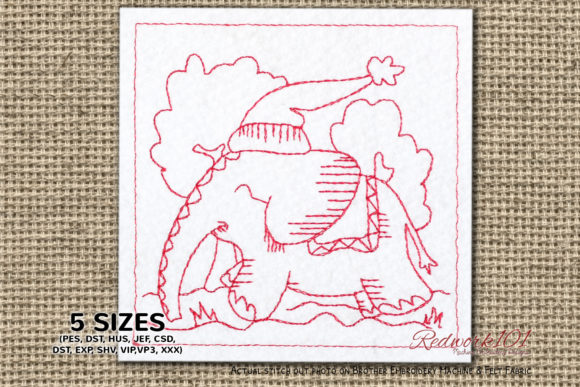
Reviewing Christmas Baby Elephant Redwork for Holiday Sales
As an embroidery designer who spends countless hours digitizing and testing motifs for the holiday rush, I approach every new machine embroidery design with a critical eye. It is not just about whether the image looks cute on a screen; it is about how it performs on fabric, how it appeals to buyers, and how easily it integrates into a profitable seasonal collection. Recently, I reviewed the Christmas Baby Elephant Redwork, and I am sharing my practical assessment for fellow Etsy sellers, apparel decorators, and handmade gift makers looking to expand their winter inventory.
First Impressions: Mood and Aesthetic Appeal
The immediate impression of the Christmas Baby Elephant Redwork is one of playful nostalgia. Redwork, traditionally a single-color stitch style often associated with vintage kitchen linens, brings a rustic and cozy feel to modern holiday decor. By combining this classic technique with a whimsical baby elephant motif, the design bridges the gap between traditional holiday embroidery and contemporary cute aesthetics.
The emotional tone is gentle and inviting. It does not scream for attention like a complex, multi-colored satin stitch design might; instead, it whispers warmth. This makes it incredibly versatile. It feels equally at home on a rustic farmhouse-style pillow as it does on a modern, minimalist tote bag. For customers seeking a handmade gift that feels personal rather than mass-produced, this aesthetic hits the sweet spot of being festive without being overly commercial or tacky.
Strategic Product Applications for the Season
When planning a small shop product lineup, versatility is key. I evaluated where this specific embroidery file could generate the most revenue during the Christmas shopping period. Here are the top applications where this design shines:
- Sweatshirt Embroidery: Placed on the left chest or slightly off-center on a cream or heather grey sweatshirt, the red stitching pops beautifully. It creates a subtle, wearable piece of holiday art that adults and children alike will wear repeatedly.
- Kitchen Towel Embroidery: This is perhaps the most natural fit for redwork. Flour sack towels are inexpensive to source and easy to hoop. A set of two towels featuring this elephant can be bundled as an affordable hostess gift or stocking stuffer.
- Tote Bag Design: Canvas totes are staples for holiday shopping. The simplicity of the redwork ensures the design remains legible even from a distance, making it a great statement piece for carrying gifts.
- Pillow Cover Accents: For home decor, this design works well on linen or cotton pillow covers. It adds a touch of seasonal charm to living rooms without requiring a full re-decorating effort from the buyer.
- Embroidered Patch: If you offer custom patches, this motif is small enough to be ironed onto denim jackets, backpacks, or beanies, appealing to a younger demographic looking for unique accessories.
Navigating Technical Constraints and Hoop Sizes
While the design is charming, technical execution requires attention to detail. As noted in the product details, the box stitch shown in promotional pictures is optional. This is a crucial feature for flexibility. However, designers must be mindful of the stitch density. Redwork typically uses a running stitch or a light satin stitch, which means it is less dense than fill stitches. This is advantageous for fabric texture preservation, as it prevents puckering on lighter materials like flour sack towels or thin cotton shirts.
However, there are areas where caution is needed. If you are using this on dark fabric, standard red thread may not provide enough contrast. In such cases, consider using a brighter crimson or even testing a metallic thread, though metallics can be tricky with high-speed machines. Always check the hoop size requirements before purchasing. Since specific dimensions were not provided in the brief description, you must verify that the design fits your standard 4x4 or 5x7 hoops, which are most common for small businesses.
Additionally, when working with stretchy garments like fleece or jersey knits, proper stabilizer selection is non-negotiable. A cut-away stabilizer is recommended for wearables to ensure the design retains its shape after repeated washing. For woven items like towels, a tear-away stabilizer is usually sufficient and easier to remove without damaging the loops of the towel.
Enhancing Buyer Emotion and Perceived Value
In the crowded marketplace of digital embroidery file buyers and finished goods shoppers, emotional connection drives sales. The Christmas Baby Elephant Redwork leverages the "cute factor" effectively. Elephants are often symbols of good luck and memory, which resonates deeply during the holiday season—a time focused on family traditions and creating memories.
This emotional resonance increases the perceived value of the finished product. A simple towel becomes a keepsake; a plain sweatshirt becomes a cherished holiday tradition item. For commercial embroidery businesses, this translates to higher customer trust and engagement. Buyers are more likely to share photos of their purchases on social media if the item evokes a warm, positive feeling, providing you with free marketing through user-generated content.
Practical Designer Notes for Implementation
Before adding this design to your seasonal catalog, I recommend a rigorous testing phase. Do not rely solely on the digital preview. Stitch out the design on the actual materials you intend to sell. Here is a checklist for best results:
- Test Thread Colors: Try classic red, burgundy, and even forest green to see which offers the best contrast on your specific fabric choices.
- Check Detail Legibility: Zoom in on the stitched sample. Ensure the trunk, ears, and any festive elements (like a hat or scarf, if included) are distinct and not merged due to thread tension issues.
- Create Realistic Mockups: Use high-quality printable mockup templates or photograph actual samples. Show the design in context—on a folded towel, worn by a model, or hanging on a tree. This helps buyers visualize the scale and appeal.
- Verify Licensing: Always confirm the commercial licensing terms of the embroidery file before selling finished items. Ensure you have the right to use the design for profit, especially if you are creating limited edition apparel or large batches of home decor.
- Plan Color Palettes: Coordinate this design with other items in your shop. If you offer matching sets, ensure the red used in the elephant matches other holiday accents in your collection for brand consistency.
Maximizing Sales Through Strategic Marketing
To get the most out of this seasonal embroidery asset, integrate it into broader marketing campaigns. Consider creating gift bundles, such as a "Baby's First Christmas" kit featuring the elephant on a onesie and a receiving blanket. For Etsy listings, use keywords that highlight both the technique and the occasion, such as "vintage style holiday decor," "redwork elephant," and "personalized gift for mom."
Social media previews should focus on the process. Short videos showing the needle piercing the fabric, the gradual formation of the elephant shape, and the final reveal of the stitched item can be highly engaging. This behind-the-scenes content builds appreciation for the craftsmanship involved in handmade gift creation, justifying premium pricing.
In conclusion, the Christmas Baby Elephant Redwork is a strong contender for any holiday product line. Its blend of traditional technique and whimsical subject matter offers broad appeal. By paying attention to technical details like stabilizer choice and thread contrast, and by leveraging the emotional weight of the design, embroidery professionals can create standout products that resonate with shoppers looking for meaning and beauty in their holiday celebrations. Remember to check all file specifics, including hoop size and format compatibility, to ensure a smooth production workflow during the busy season.