ManekiNeko Good Luck Cat: A Designer’s Review
As an embroidery designer who has spent years digitizing for boutique brands and small online shops, I approach every new machine embroidery design with a critical eye. It is not just about whether the image looks cute on a screen; it is about how those stitches will behave on fabric, how they hold up after washing, and whether they elevate the perceived value of the final garment. Recently, I had the opportunity to test the ManekiNeko Good Luck Cat for an upcoming limited drop of premium sweatshirts. This review breaks down my experience, focusing on practical application for Etsy sellers, apparel decorators, and creative entrepreneurs looking to add meaningful symbolism to their collections.
First Impressions: Mood and Aesthetic Appeal
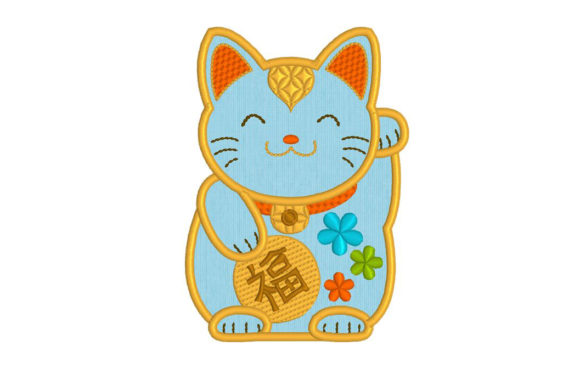
The ManekiNeko Good Luck Cat immediately strikes a balance between traditional symbolism and modern playfulness. Widely known as the Beckoning Cat or the Lucky Cat, Maneki-Neko is a symbol of luck and prosperity seen throughout Japan, China, and many Asian countries. He comes in many different colors, each color carrying its own specific meaning, from wealth to health. For a boutique brand, this cultural depth adds a layer of storytelling that customers love. The design does not feel overly rustic or strictly traditional; instead, it leans into a clean, decorative aesthetic that feels both bold and approachable.
When I loaded the embroidery file into my software, the layout appeared well-structured. The lines were smooth, suggesting a thoughtful digitization process that prioritizes stitch flow over complex, unnecessary detailing. This is crucial for sweatshirt embroidery, where too much density can make the fabric stiff and uncomfortable. The mood of the design is undeniably positive. It feels lucky, inviting, and slightly whimsical, making it a perfect fit for cozy seasonal apparel that aims to bring joy to the wearer.
Fabric Compatibility and Color Strategy
One of the first questions I ask when reviewing a new design is: "Where does this live?" For the ManekiNeko Good Luck Cat, I tested several fabric types to determine its versatility. On neutral sweatshirts, such as heather grey or oatmeal, the design pops beautifully if you use high-contrast thread colors. A classic white cat with gold accents on a charcoal hoodie creates a sophisticated, premium look. Conversely, on pastel colors like soft pink or baby blue, the design takes on a softer, more feminine and cute vibe, ideal for spring collections.
Dark fabric presents a unique challenge for any digital embroidery file. If the design relies heavily on fine details, they can get lost in black or navy fleece. However, the ManekiNeko Good Luck Cat holds up well because of its distinct silhouette. I recommend using a bright underlay or choosing thread shades that are significantly lighter than the base fabric to ensure readability. For oversized hoodies, where the chest area provides a large canvas, this design works exceptionally well as a central focal point. The fabric texture of a heavy-weight cotton blend complements the raised texture of the embroidery, adding tactile interest to the finished product.
Technical Considerations for Production
From a technical standpoint, there are several factors to consider before running this design on a commercial machine. While the specific stitch count and hoop size are not detailed in the basic description, experienced embroiderers know that checking these specs is vital. For a small shop product, consistency is key. You must verify the recommended hoop size to ensure it fits your standard equipment without requiring re-digitization.
Stitch density is another critical factor. Sweatshirts and hoodies are thick, often requiring a cut-away stabilizer to prevent puckering. If the ManekiNeko Good Luck Cat has a high density, it may pull on lightweight fabrics, but on a sturdy sweatshirt, it should sit flat and secure. I advise running a test stitch-out on your actual garment material before committing to a full production run. This allows you to adjust tension and check for any thread breaks or nesting issues. Additionally, consider the washing durability. A well-digitized design should withstand multiple wash cycles without significant fraying or loss of shape, which is essential for maintaining buyer trust and reducing returns.
Placement and Branding Opportunities
Placement can make or break a hoodie design. For the ManekiNeko Good Luck Cat, I found that a left-chest placement offers a subtle, classy look suitable for everyday wear. This positioning is popular among custom apparel brands because it feels less like a uniform and more like a personal accessory. For a bolder statement, centering the design on the back of an oversized hoodie creates a striking visual that photographs well for social media and printable mockup previews.
Sleeve accents are another trendy option. If the design scales down well, placing a smaller version on the sleeve cuff can add a unique touch that distinguishes your boutique brand from competitors. This attention to detail enhances the perceived value of the item, allowing you to price it higher as a premium handmade piece. For Etsy listings, showcasing these different placement options in your product photos can help customers visualize the item in their wardrobe, increasing conversion rates.
Enhancing Product Value and Customer Engagement
Incorporating symbols like the Maneki-Neko into your collection does more than just decorate a garment; it builds brand identity. Customers are increasingly drawn to products with meaning. By highlighting the luck and prosperity associated with the ManekiNeko Good Luck Cat, you create an emotional connection with your audience. This narrative can be leveraged in your marketing materials, Instagram captions, and product descriptions to drive engagement.
For commercial embroidery businesses, offering this design as part of a limited edition drop can create urgency and excitement. It positions your shop as culturally aware and trend-forward. Furthermore, the visual recognition of the Lucky Cat is high, meaning the design is instantly recognizable, which aids in visual recognition and brand recall. When customers see a well-executed embroidery of this iconic figure, they associate it with quality and care, reinforcing their trust in your handmade product.
Final Verdict for Designers and Sellers
The ManekiNeko Good Luck Cat is a versatile and commercially viable addition to any embroidery library. It bridges the gap between traditional Cats themed designs and modern streetwear aesthetics. Whether you are creating cozy winter apparel or light spring layers, this design adapts well to various color palettes and fabric weights. Its clean lines and symbolic weight make it a strong candidate for small business owners looking to expand their catalog with meaningful, high-quality items.
Before finalizing your production, always remember to check the specific technical details of the design assets, such as file formats and exact dimensions, to ensure compatibility with your machines. With proper stabilizer choice and thread selection, this design can become a staple in your store, driving sales and delighting customers who appreciate both style and symbolism. For any Etsy seller or boutique owner aiming to stand out in a crowded market, the ManekiNeko Good Luck Cat offers a charming, profitable, and professionally polished solution.