JQKA Embroidery Review: Elevating Small Business Merch
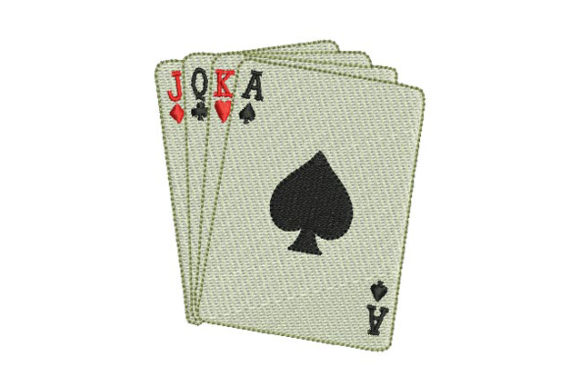
As an embroidery designer who has spent years digitizing and reviewing files for commercial use, I approach every new machine embroidery design with a critical eye. It is not just about whether the image looks pretty on a screen; it is about how it performs under the needle, how it holds up after washing, and most importantly, how it serves the brand identity of the small business owner purchasing it. Today, I am reviewing JQKA, a design that taps into the classic aesthetics of gaming and chance. This piece is part of a larger collection featuring eleven designs, including the four French playing card suits—Clubs, Diamonds, Hearts, and Spades—alongside Dice, Roulette, and Chips. For entrepreneurs in the hospitality, retail, or creative sectors, understanding the practical application of such a motif is essential for creating high-value small business merch.
First Impressions: Visual Personality and Brand Fit
The immediate impression of JQKA is one of playful elegance. The inclusion of traditional card symbols suggests a vibe that is both classic and slightly whimsical. It does not scream "casino" in a loud, aggressive way; rather, it offers a sophisticated nod to games of chance. For a boutique owner or a café manager, this visual personality is versatile. It feels professional yet approachable, making it suitable for brands that want to convey a sense of fun without sacrificing quality. The design elements are distinct, which is crucial for embroidery where fine details can easily get lost if the digitizing is not precise. When evaluating this for brand identity, consider if your business leans toward the rustic charm of a local pub, the sleek modernity of a lounge, or the handmade warmth of a craft studio. This design bridges those gaps effectively.
Real-World Applications for Commercial Embroidery
The true test of any digital embroidery file is its versatility across different products. Here is how I envision JQKA performing in real business scenarios:
- Embroidered Patches: This is perhaps the strongest use case. A patch featuring the JQKA motifs or specific suits can be sewn onto denim jackets, canvas bags, or uniform shirts. Patches allow for higher stitch density and better definition than direct-to-garment embroidery, making the intricate lines of the cards and dice pop.
- Staff Uniforms and Aprons: For a bakery, bar, or boutique, an apron embroidery featuring a subtle heart or spade from this collection adds a unique touch to staff attire. It creates a cohesive look that customers notice and remember. Ensure the placement is consistent, such as the upper left chest, to maintain professionalism.
- Cap Embroidery: Front-panel caps are a staple of promotional merchandise. The compact nature of card suits makes them ideal for the limited space on a cap. However, curved surfaces require careful hoop selection to prevent distortion.
- Tote Bag Design: Canvas tote bags are popular for retail giveaways. A larger version of the JQKA design, perhaps incorporating the chips or roulette wheel, can serve as a striking central graphic. The contrast between the thread and the natural canvas texture can create a premium, handmade feel.
- Event Merch and Gifts: If you are running a game night, a launch party, or a community event, these designs make excellent additions to custom apparel. They act as conversation starters and enhance buyer engagement.
Technical Considerations and Production Notes
While the aesthetic appeal is strong, technical execution is where many small businesses stumble. As a designer, I must highlight several areas where JQKA requires careful handling during production.
First, consider the hoop size. Since this design is part of a set with varying complexities, you must check the specific dimensions of the JQKA file before starting. Attempting to shrink a complex design like a roulette wheel or detailed card face into a tiny 4x4 hoop can result in poor stitch quality. Always review the recommended hoop size provided with the embroidery file.
Second, pay attention to thread colors. The description mentions French playing card suits, which traditionally rely on red and black. However, for a modern brand, you might want to use metallic golds, deep navies, or muted earth tones. Test your color palette on a scrap piece of fabric first. High contrast is key for readability, especially if the design includes smaller elements like the pips on the cards.
Third, fabric texture matters. Embroidering on a smooth polo shirt is vastly different from embroidering on a textured towel or a rough canvas. For textured fabrics, you may need a heavier cut-away stabilizer to prevent the design from sinking into the material. For stretchy fabrics like jersey tees, a tear-away stabilizer might suffice, but always test first. The goal is a clean finished product that looks intentional, not messy.
Strategic Use for Brand Identity and Trust
Using a cohesive set of designs like the JQKA collection can significantly boost your brand identity. Consistency builds trust. If a customer sees the same high-quality embroidery on your tote bag, your staff apron, and your packaging accent, they perceive your business as established and professional. This visual consistency helps in recognition. When used as a small detail, such as a sleeve accent or a label on a handmade product, it adds perceived value. Customers are often willing to pay more for items that feature custom embroidery because it signals effort and quality.
However, use these designs carefully. Avoid placing intricate details on areas that undergo frequent friction or washing, such as the cuffs of sleeves or the lower back of work shirts, unless you are using high-quality threads and proper stabilizing techniques. For dark uniforms, ensure your thread colors have enough brightness to stand out. A dark blue thread on a black shirt will vanish, ruining the impact of the design.
Designer Checklist Before Production
Before you run a full batch of custom apparel or patches for your clients, follow this practical checklist:
- Test in Black and White: Print or stitch a monochrome version first. If the design loses its shape without color, the digitizing may rely too heavily on color blocking rather than stitch structure.
- Check Small Patch Viability: Stitch a sample at the smallest size you intend to sell. Can you distinguish the Club from the Spade? If not, simplify or increase the size.
- Review Thread Contrast: Ensure your chosen thread colors complement the base fabric. Create a printable mockup to visualize this before stitching.
- Confirm Licensing: Since you are using this for commercial embroidery, verify that the license included with the design assets allows for unlimited physical sales. Never assume; always read the terms.
- Inspect Spacing and Density: Look for jump stitches or overly dense areas that could cause puckering. Adjust your tension settings if necessary.
In conclusion, JQKA offers a charming and versatile option for businesses looking to add a touch of classic gaming flair to their merchandise. Whether you are an Etsy seller creating unique gifts or a local café branding your staff uniforms, this design can elevate your offerings. By paying attention to technical details like stabilizer choice, hoop size, and thread contrast, you can ensure that every stitched item reflects the high standards of your brand. Remember, the best embroidery is not just seen; it is felt in the quality of the final product. Use these Games-themed motifs wisely, and they will become a recognizable and beloved part of your business story.